
HCM Screening before Breeding - Why it Matters and Why recovery is Non-Negotiable
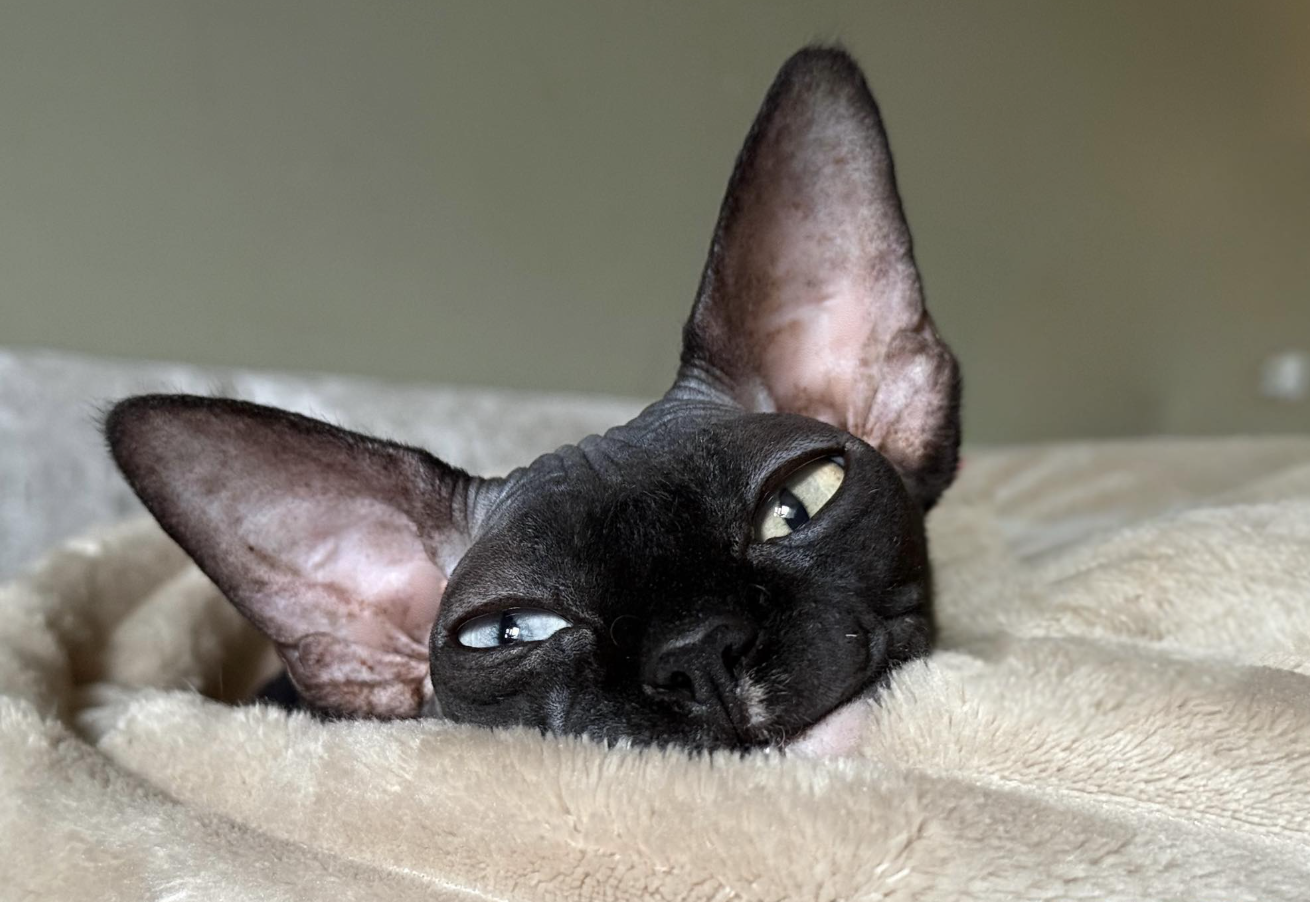
Sofia and Vincent have just completed their pre-breeding heart scan, including echocardiography for HCM. The result is HCM clear. This is where every responsible breeding decision should begin.
HCM can be silent. A cat may look completely healthy but still have a heart that cannot handle additional stress. Pregnancy is not a small event. It is months of physical strain. Blood volume increases, the heart works harder, organs stay under pressure, and this does not end when kittens are born. The body continues to work hard during nursing, and real recovery only starts after lactation is finished.
This is why screening must happen before mating. Testing after pregnancy does not protect the mother or the kittens. Once kittens are born, genetics are already passed on. You cannot undo inheritance. You cannot remove a risk that has already been introduced. Prevention only exists before breeding, not after.
Recovery between litters is just as important. Pregnancy and lactation use up calcium, protein and fat reserves. They weaken the immune system and affect hormonal balance. The body does not reset because we decide it should. Recovery is not just a gap in a breeding plan. It is a biological process that takes time.
Ethical breeding puts long-term health before numbers. One litter per queen per year is often considered the gold standard, not because of a rule, but because it allows proper recovery after kittens leave and nursing has ended. Recovery is counted from the end of lactation, not from birth. Only then can the uterus heal, hormones stabilise and the body rebuild what was lost.
When this process is shortened or ignored, the focus shifts from health to production.
The same thinking applies to pyometra. Pyometra is a serious and potentially life-threatening uterine infection linked to repeated hormonal cycles. Some breeders say they had “no choice” but to breed again because the queen was cycling and at risk of pyometra.
But pregnancy is not a treatment.
If heat cycles become frequent or abnormal, this is a medical issue. It should be managed properly. That may mean natural management first, then a hormonal implant, and if needed, removing the queen from breeding and spaying her for her own safety.
Using the risk of pyometra to justify another pregnancy does not protect the cat. It delays proper treatment and adds more physical stress.
When health checks are done after breeding, when recovery is treated as optional, and when medical risks are used to justify continued reproduction, the queen stops being seen as an animal with limits. She becomes a production unit.
Ethical breeding does not work this way.
We screen before mating because the mother matters. We allow real recovery because bodies have limits. And when breeding becomes a health risk, we choose the animal over the output.
Biology does not negotiate. It simply reflects our decisions.